

Le prime 24 ore per denunciare un sinistro della polizza casa in Spagna: guida per expat
Chiami il numero sinistri attivo 24 ore su 24 della propria compagnia nel momento stesso in cui si verifica il danno, poi agisca per impedire che peggiori. Chiuda il rubinetto generale o stacchi l’interruttore generale se c’è di mezzo acqua o fuoco, fotografi tutto prima di toccare qualsiasi cosa e conservi gli oggetti danneggiati come prova. In caso di furto, sporga subito denuncia. La compagnia darà un numero di riferimento del sinistro e, per qualsiasi danno che non sia minimo, un perito (perito liquidatore) valuterà il danno prima del pagamento. Gli eventi più grandi, come un’alluvione in una zona dichiarata calamitosa, possono ricadere sul Consorcio de Compensación de Seguros invece che direttamente sulla compagnia e, se l’abitazione ha causato danni a un vicino, di norma è la copertura di responsabilidad civil (responsabilità civile) a farsene carico.
TL;DR:
- Denunciare tempestivamente, entro le prime 24 ore, un danno da acqua, incendio o struttura aiuta la compagnia a valutare il sinistro su una documentazione completa e su interventi di contenimento concreti.
- La copertura distingue fra la struttura dell’immobile (continente) e i beni mobili (contenido), e la responsabilità cambia a seconda della proprietà, del contratto di locazione e della causa del danno.
- Foto nitide e datate e la denuncia alla polizia (per i furti) velocizzano sensibilmente la pratica e rafforzano la posizione dell’assicurato durante la perizia.
- Le contestazioni sulla valutazione del danno si risolvono spesso ottenendo preventivi indipendenti e chiedendo al perito se l’importo è a valore di rimpiazzo o a valore deprezzato.
- Rapidità e documentazione accurata sono i fattori decisivi per chiudere in modo liscio e rapido un sinistro da perdita d’acqua, guasto di un elettrodomestico o danno da tempesta in Spagna.
Indice
- Checklist immediata: le azioni nelle prime 24 ore per proteggere il sinistro
- Chi paga cosa in Spagna: continente e contenido, inquilini e proprietari
- Come denunciare il sinistro: tempi, canali e documenti
- Il perito: che cosa controlla e come contestare la valutazione
- Riparazioni, franchigie e finiture da abbinare dopo un sinistro
- Casi particolari: furto, sinistri Consorcio e responsabili ignoti
- Tempi e solleciti: quando alzare il tiro su una pratica ferma
- Consigli pratici per expat: documenti, aiuto bilingue e coordinate bancarie sicure
- Com’è fatto davvero un sinistro da acqua senza complicazioni
- Come Insurance Spain accompagna il cliente durante un sinistro
- Fonti
- FAQ
Checklist immediata: le azioni nelle prime 24 ore per proteggere il sinistro
Quello che si fa il primo giorno determina quanto scorrerà liscio tutto il resto della pratica. Le compagnie spagnole valutano i sinistri anche in base alla rapidità e alla completezza con cui il danno è stato documentato e contenuto, quindi conviene trattare le prime 24 ore come tempo per raccogliere prove, non solo per pulire.
- Chiami il 112 per le vere emergenze (incendio, allagamento che minaccia la struttura, fughe di gas).
- Telefoni al numero sinistri della propria compagnia o apra la sezione sinistri della sua app. Il numero è indicato su ogni frontespizio di polizza.
- Impedisca al danno di allargarsi: chiuda il rubinetto generale dell’acqua, isoli la parte di impianto elettrico coinvolta o applichi una copertura provvisoria su un vetro rotto.
- Fotografi e riprenda il danno da più angolazioni, con inquadrature larghe che mostrino il contesto e primi piani dei numeri di serie o delle superfici rovinate.
- Conservi gli oggetti danneggiati. Compagnie e periti vogliono spesso esaminarli, non limitarsi a vedere le foto.
A seconda della causa del danno servono alcuni passaggi in più:
- Per furto o atti vandalici, presenti il prima possibile una denuncia (denuncia alle forze dell’ordine); quasi nessuna compagnia lavora un sinistro furto senza.
- Se il problema nasce da una tubazione condominiale o dal tetto, avvisi per iscritto l’administrador de fincas (l’amministratore di condominio), perché potrebbe dover rispondere la polizza del condominio.
- Conservi le ricevute di tutto ciò che viene acquistato per limitare il danno, per esempio l’intervento d’urgenza di un idraulico. Le compagnie rimborsano di frequente le spese di contenimento ragionevoli.
Consiglio pratico: Salvi ogni foto con la data visibile, tramite il timestamp automatico del telefono o un foglietto scritto a mano inquadrato nello scatto. Compagnie e periti danno molto più peso alle prove datate che a immagini senza data inviate settimane dopo.
Chi paga cosa in Spagna: continente e contenido, inquilini e proprietari
Le polizze casa spagnole dividono la copertura in due categorie, e sapere quale si applica decide chi viene risarcito e per quanto; capire queste protezioni è essenziale, come spiegato in Landlord Insurance Explained: What Every Rental Owner Needs. Il continente copre l’immobile e tutto ciò che vi è fissato: muri, pavimenti, cucine su misura, armadi a muro, impianto idraulico ed elettrico. Il contenido copre ciò che si potrebbe prendere e portare via: mobili, frigorifero, elettronica, vestiti, gioielli. Una lavastoviglie che perde e si brucia il motore è una questione di contenuto; la stessa perdita che imbarca il pavimento sotto diventa un sinistro sul fabbricato.
Lo status di proprietà cambia chi è responsabile di assicurare che cosa. I proprietari hanno di norma la polizza sul continente (o una copertura condivisa tramite l’assicurazione del condominio), mentre gli inquilini rispondono di solito del proprio contenido e della responsabilidad civil, la garanzia di responsabilità civile che interviene quando l’abitazione causa danni altrove.
- Se la lavatrice allaga e rovina l’appartamento di sotto, di norma è la copertura di responsabilità civile del proprietario, non la polizza del vicino, a pagare.
- Il danno da acqua è costantemente il sinistro casa più frequente in Spagna, e la responsabilità dipende spesso dal fatto che la tubazione sia condominiale, privata o del vicino del piano di sopra.
- Gli inquilini senza una propria copertura di responsabilidad civil possono ritrovarsi addosso l’intero conto delle riparazioni, perché le regole sulla responsabilità fanno sì che il vicino danneggiato si rivolga a chi ha causato il danno, non all’assicurazione del condominio.
- Quando la causa è una colonna montante condominiale o il tetto, il seguro de la comunidad (la polizza del condominio) può essere l’interlocutore corretto da cui partire, al posto della polizza individuale.
Una controversia su una perdita della lavastoviglie che danneggia l’appartamento di sotto è uno dei punti di attrito più comuni per gli expat, soprattutto perché nessuno ha verificato prima quale polizza dovesse rispondere. Rivedere la copertura della polizza casa in Spagna prima che succeda qualcosa evita del tutto quella discussione.
Come denunciare il sinistro: tempi, canali e documenti
Le compagnie spagnole si aspettano una denuncia tempestiva, e quasi tutte fissano una finestra di circa sette giorni da quando si viene a conoscenza del danno. Superarla espone al rischio che la compagnia contesti o riduca il risarcimento, anche se il sinistro è legittimo: meglio denunciare subito e raccogliere i dettagli in più dopo, invece di aspettare di avere “tutto”.
Quando si chiama o si compila il modulo online, conviene tenere pronti:
- Il numero di polizza e il nome del contraente esattamente come compare sul frontespizio.
- Un resoconto breve e fattuale: che cosa è successo, data e ora approssimativa e che cosa è stato fatto per limitare il danno.
- Le foto e, dove serve, la denuncia alla polizia per furto o atti vandalici.
- La prova di proprietà o gli scontrini di acquisto dei beni di valore elevato, se disponibili.
- L’IBAN per la liquidazione, dato che le compagnie spagnole pagano di norma con bonifico anziché sostituire direttamente i beni.
Quasi tutte le grandi compagnie, comprese realtà come SegurCaixa Adeslas, hanno un portale clienti dove denunciare il sinistro, seguirne l’avanzamento e allegare direttamente le foto. Qualunque canale si usi, è bene annotare il numero di riferimento del sinistro e il nome della persona con cui si è parlato. Serviranno entrambi in caso di sollecito della pratica.
Il perito: che cosa controlla e come contestare la valutazione
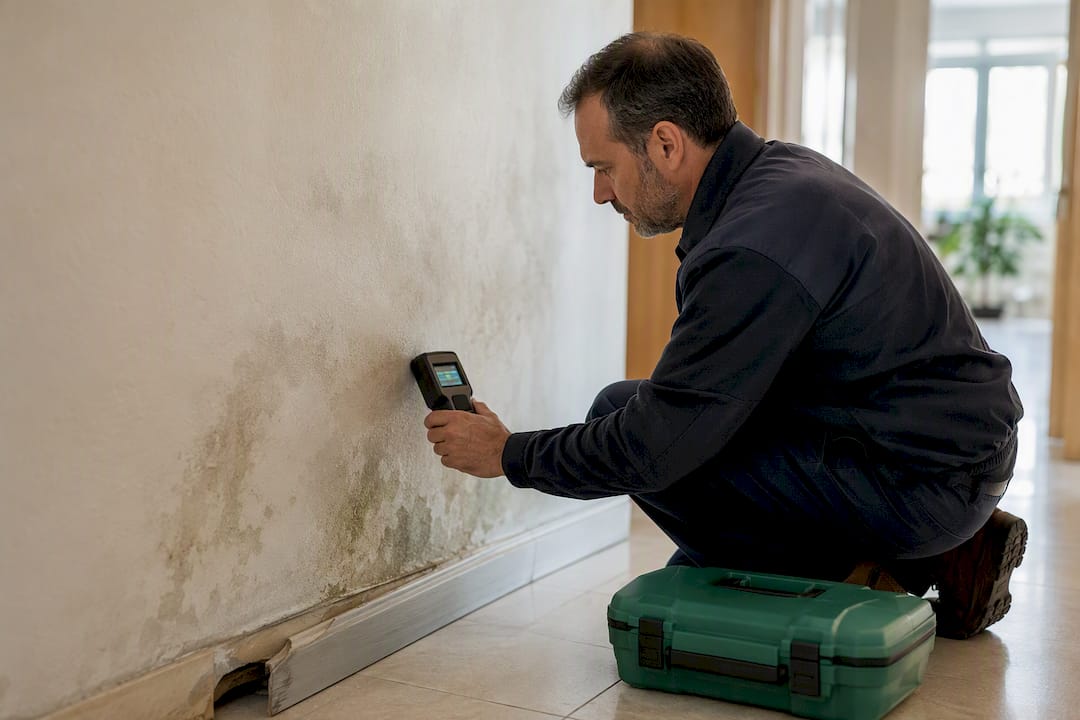
Le compagnie inviano un perito, cioè un perito liquidatore, quando l’importo o la complessità del sinistro superano una certa soglia, che varia da compagnia a compagnia e da polizza a polizza. Il compito del perito è esaminare il danno, confermare che la causa rientri fra quelle coperte e quantificare i costi di riparazione o sostituzione. Per una tubazione scoppiata può significare misurare l’umidità nel muro; per un furto, verificare che l’elenco del maltolto coincida con la denuncia e con eventuali scontrini disponibili.
I sinistri più piccoli saltano spesso del tutto il sopralluogo. Molte compagnie liquidano ormai i danni modesti, un elettrodomestico rotto o una lieve macchia d’umidità, sulla base di foto e fatture caricate tramite app, il che accelera parecchio i casi semplici.
- In Spagna la norma è la liquidazione in denaro: le compagnie versano di solito l’importo stimato direttamente sul conto dell’assicurato invece di incaricare loro un’impresa.
- In caso di disaccordo con la cifra del perito, conviene farsi fare un preventivo indipendente da un’impresa e presentarlo per iscritto, citando il numero di sinistro.
- Ricevute datate dei beni originali o riparazioni comparabili recenti rafforzano molto una contestazione.
- Se la compagnia non si muove, l’escalation passa prima dalla sua procedura interna di reclamo, poi dall’autorità di vigilanza se anche quella si arena.
Consiglio pratico: Chieda direttamente al perito se l’importo proposto è a valore di rimpiazzo o a valore deprezzato. Le due cifre possono differire parecchio su elettrodomestici o mobili datati, ed è più facile chiarirlo sul momento che dopo che il pagamento è arrivato.
Riparazioni, franchigie e finiture da abbinare dopo un sinistro
Le compagnie spagnole liquidano i sinistri in due modi: o incaricano direttamente un’impresa di eseguire la riparazione, oppure versano una somma e lasciano al cliente organizzare i lavori. Quale dei due dipende di solito dal livello di polizza e dal tipo di danno. Le riparazioni sul fabbricato nelle polizze con coperture più ampie hanno più probabilità di essere gestite dalla compagnia; la sostituzione del contenuto è quasi sempre un pagamento in denaro.
Sotto ogni liquidazione c’è la franquicia (franchigia), ed è bene controllarla prima di denunciare un danno piccolo. Una franchigia da 150 € su una riparazione da 200 € giustifica a malapena la pratica, per non parlare dell’effetto sul premio di rinnovo.
- La garanzia daños estéticos (danni estetici) conta quando una riparazione lascia una disomogeneità visibile, per esempio una sola piastrella sostituita che non si abbina al resto della stanza. Non tutte le polizze la includono e, dove c’è, i limiti stabiliscono spesso quanta parte della superficie circostante viene rifatta per uniformare.
- È opportuno farsi fare preventivi scritti e datati prima che qualsiasi impresa inizi, soprattutto se la compagnia rimborsa invece di gestire direttamente i lavori.
- Conviene concordare per iscritto l’ambito dei lavori, comprese finiture e materiali, per evitare poi una discussione sul fatto che la riparazione “si abbini” o meno.
- Va controllato sul frontespizio di polizza il testo esatto sui daños estéticos; la documentazione per i consumatori della Fundación MAPFRE spiega come funzionano tipicamente queste clausole presso le compagnie spagnole.
Casi particolari: furto, sinistri Consorcio e responsabili ignoti
Non tutti i sinistri seguono il percorso standard. Alcune situazioni richiedono un approccio leggermente diverso, e sapere in quale ci si trova fa risparmiare tempo.
- Furto: serve quasi sempre una denuncia presentata al commissariato più vicino o online sul portale della Policía Nacional prima che la compagnia possa lavorare la pratica. Conviene conservare copia del numero di protocollo nel fascicolo del sinistro.
- Consorcio de Compensación de Seguros: questo ente pubblico interviene per gli eventi straordinari, come alluvioni o tempeste in una zona ufficialmente dichiarata calamitosa. Molte compagnie sbrigano le pratiche con il Consorcio per conto del cliente, quindi potrebbe non servire una domanda separata.
- Danno causato da terzi: se il danno nasce dalla perdita di un vicino, si può denunciare alla propria polizza e lasciare che sia la propria compagnia a rivalersi su quella del vicino (surroga), il che è di solito più rapido che rivolgersi direttamente a lui.
- Responsabile ignoto o non assicurato: la copertura su fabbricato o contenuto paga di norma per prima, a titolo di anticipo, e poi la compagnia si attiva per recuperare la somma se in seguito viene individuato un responsabile.
Tempi e solleciti: quando alzare il tiro su una pratica ferma
Dopo la denuncia, ci si può aspettare una presa in carico nel giro di pochi giorni, seguita dal sopralluogo del perito se il sinistro lo richiede. Le pratiche semplici si chiudono spesso in poche settimane, anche se per legge il rimborso completo può richiedere fino a tre mesi quando la documentazione è incompleta o contestata.
- La documentazione mancante è di gran lunga la prima causa di ritardo: conviene rispondere alle richieste della compagnia in giornata, quando possibile.
- Se la pratica si blocca oltre un limite ragionevole, va presentato prima un reclamo formale al servizio clienti della compagnia.
- Se questo non basta, la Dirección General de Seguros y Fondos de Pensiones spagnola gestisce i reclami dei consumatori contro le compagnie e può essere un passo successivo concreto.
Consigli pratici per expat: documenti, aiuto bilingue e coordinate bancarie sicure
Conviene tenere pronti il NIE o il passaporto, il frontespizio di polizza e l’IBAN prima di chiamare il numero sinistri. Conservare una copia della polizza sia in italiano sia in spagnolo evita confusione quando un operatore legge una clausola che in traduzione non si riconosce.
- Va annotato il numero di riferimento del sinistro nel momento in cui viene comunicato, insieme alla data e al nome della persona con cui si è parlato.
- Non vanno mai inviate coordinate bancarie incomplete per la liquidazione. Un IBAN che non corrisponde è uno dei motivi più comuni per cui un pagamento già approvato si blocca.
- I beni danneggiati non vanno gettati prima che il perito abbia avuto modo di esaminarli, anche se sembrano ovviamente irrecuperabili.
- I documenti sensibili come passaporti o estratti conto vanno inviati attraverso il portale clienti sicuro della compagnia invece che via email, dove questa opzione esiste.
Un broker bilingue si guadagna il suo posto esattamente nei momenti in cui l’ostacolo diventa la lingua: interpretare la relazione tecnica di un perito, controllare che un modulo di denuncia sia compilato bene prima dell’invio o sollecitare un ufficio sinistri diventato muto. Chi si sta chiedendo se la propria copertura attuale abbia i massimali di responsabilità civile giusti per la propria situazione farà bene a rileggere gli errori più comuni degli expat con la polizza casa in Spagna prima del prossimo rinnovo, non dopo il prossimo sinistro.
Consiglio pratico: Tenga sia una cartella digitale (foto, PDF, conferme via email) sia una piccola cartella cartacea con la denuncia alla polizia e i documenti firmati. Periti e operatori a volte chiedono l’originale cartaceo, soprattutto per i verbali di polizia.
Com’è fatto davvero un sinistro da acqua senza complicazioni
Un lettore ha raccontato una situazione piuttosto ordinaria: il tubo di una lavatrice si è spaccato durante la notte in un appartamento in affitto vicino ad Alicante e l’acqua ha raggiunto il piano di sotto prima che qualcuno se ne accorgesse. Se quel sinistro si è chiuso in modo pulito non è stata fortuna. È stato perché è stato denunciato nel giro di poche ore, perché il danno è stato fotografato prima di iniziare qualsiasi pulizia e perché c’era qualcuno in grado di leggere in spagnolo la relazione del perito e segnalare una discrepanza sui tempi di asciugatura stimati.
La lezione vale per quasi ogni sinistro che si denuncerà qui: rapidità e documentazione battono tutto il resto, compreso quanto suoni bene il testo della polizza sulla carta. Conviene comportarsi come se la prima ora fosse decisiva, perché lo è.
— Jake
Come Insurance Spain accompagna il cliente durante un sinistro
Insurance Spain esiste esattamente per il momento in cui un sinistro si complica per questioni di lingua, non solo di burocrazia. Là dove il call center di una compagnia spagnola dà per scontato uno spagnolo fluente e la familiarità con termini come franquicia o daños estéticos, un team che segue tutto in italiano può confrontare le coperture di diverse compagnie di primo piano e aiutare a capire che cosa dice davvero la polizza prima ancora che nasca una controversia.

Conta soprattutto nelle situazioni trattate in questa guida: una valutazione del perito contestata, un modulo di denuncia che richiede una formulazione precisa o una questione di responsabilità condominiale che tocca la responsabilidad civil. Alcuni broker non fanno pagare al cliente questa assistenza, perché vengono remunerati dalla compagnia una volta collocata la polizza: farsi dare un secondo parere sulla propria copertura può quindi non costare nulla in partenza. Se la polizza attuale ha lasciato scoperti durante un sinistro recente, o semplicemente non si è sicuri che copra quanto si crede, confronti le opzioni di polizza casa in Spagna e si faccia rivedere un preventivo in un italiano comprensibile.
Fonti
Per moduli di denuncia, dichiarazioni di zona calamitosa e requisiti documentali, la procedura del Consorcio de Compensación de Seguros è il riferimento per gli eventi straordinari. Per le indicazioni di vigilanza e i reclami formali contro una compagnia, la Dirección General de Seguros y Fondos de Pensiones è il canale ufficiale. I consumatori UE che operano fra più Paesi possono consultare anche le indicazioni assicurative di Your Europe per i diritti che valgono a prescindere dal Paese UE che ha emesso la polizza.
- Home Insurance in Spain: What Renters and Owners Should Know - Spain Handbook
- Home insurance in Spain: property, contents, and liability - Expatica
- Home insurance claims process in Spain - ThinkSpain
- Directorate General for Insurance and Pension Funds (DGSFP)
FAQ
Qual è il sinistro casa più frequente in Spagna?
Il danno da acqua per tubazioni scoppiate, perdite di elettrodomestici o maltempo è di gran lunga il tipo di sinistro casa più frequente in Spagna, e la responsabilità dipende spesso dal fatto che l’origine sia una tubazione privata, condominiale o del vicino.
Come si denuncia un sinistro sulla polizza casa in Spagna?
Occorre contattare subito il numero sinistri o l’app della compagnia, scattare fotografie datate, mettere in sicurezza l’immobile contro ulteriori danni e avvisare la compagnia entro la finestra tipica di sette giorni prevista da quasi tutte le polizze.
Qual è il costo medio di una polizza casa in Spagna?
I premi variano molto a seconda di metratura, zona, valore del contenuto e livello di copertura, quindi non esiste un unico dato “medio” valido in modo equo per tutte le regioni; confrontare i preventivi di più compagnie dà un prezzo realistico per l’immobile in questione.
Quali sono le migliori compagnie per la polizza casa in Spagna?
Non esiste una compagnia migliore in assoluto per ogni situazione. La scelta giusta dipende dal tipo di immobile, dal bisogno o meno di una responsabilidad civil robusta e dalla rapidità con cui si vogliono i sinistri gestiti: per questo confrontare più operatori fianco a fianco porta di solito a un abbinamento migliore che scegliere un nome a scatola chiusa.
Quanto tempo ci vuole perché un sinistro casa venga liquidato in Spagna?
Le pratiche semplici si chiudono spesso in poche settimane, anche se per legge il rimborso completo può richiedere fino a tre mesi quando la documentazione è incompleta o il danno è contestato.
Consigliati
0 Comments
Sia il primo a lasciare un commento.