

De første 24 timene: slik melder du boligskade i Spania
Ring forsikringsselskapets døgnåpne skadetelefon i det øyeblikket skaden skjer, og gjør så det du kan for å hindre at den blir verre. Steng hovedstoppekranen eller slå av strømmen hvis det er vann eller brann inne i bildet, fotografer alt før du rører noe, og ta vare på skadde gjenstander som bevis. Ved tyveri, skaff politianmeldelse med én gang. Selskapet gir deg et skadenummer, og ved alt utover en bagatell vil en perito (takstmann) vurdere skaden før utbetaling. Større hendelser, som flom i et område som er erklært katastrofeområde, kan falle på Consorcio de Compensación de Seguros i stedet for på selskapet ditt direkte, og har boligen din påført naboen skade, er det normalt responsabilidad civil (ansvarsdekningen) som bærer kostnaden.
Kort fortalt:
- Å melde vann-, brann- eller bygningsskade raskt innen de første 24 timene hjelper selskapet å vurdere saken ut fra grundig dokumentasjon og hva du gjorde for å begrense skaden.
- Dekningen skiller mellom selve bygningen (continente) og løsøret ditt (contenido), og ansvaret flytter seg avhengig av eierforhold, leieforhold og skadeårsak.
- Tydelige, daterte bilder og politianmeldelse (ved tyveri) får saken til å gå vesentlig raskere og styrker posisjonen din under takseringen.
- Uenighet om erstatningsbeløpet kan ofte løses ved å innhente uavhengige pristilbud og be perito forklare forskjellen mellom gjenanskaffelsesverdi og avskrevet verdi.
- Rask handling og nøyaktig dokumentasjon er de mest avgjørende faktorene for et smidig og rettidig oppgjør ved vannlekkasje, feil på hvitevarer eller stormskade i Spania.
Innhold
- Strakssjekkliste: det du må gjøre de første 24 timene
- Hvem betaler hva i Spania: continente vs. contenido, leietakere og eiere
- Slik melder du skaden: frister, kanaler og papirer
- Perito: hva de undersøker, og hvordan du bestrider en takst
- Reparasjon, egenandel og matchende overflater etter en skade
- Spesialtilfeller: tyveri, Consorcio-saker og ukjent skadevolder
- Tidsløp og oppfølging: når du skal eskalere en sak som står stille
- Praktiske tips: dokumenter, språkhjelp og trygge betalingsopplysninger
- Slik ser en ukomplisert vannskadesak faktisk ut
- Slik støtter Insurance Spain deg gjennom en skadesak
- Kilder
- Ofte stilte spørsmål
Strakssjekkliste: det du må gjøre de første 24 timene
Det du gjør det første døgnet avgjør hvor smidig resten av saken går. Spanske selskaper vurderer saker delvis ut fra hvor raskt og grundig skaden ble dokumentert og begrenset, så behandle de første 24 timene som tid til å sikre bevis, ikke bare til å rydde opp.
- Ring 112 ved reelle nødsituasjoner (brann, oversvømmelse som truer bygningen, gasslekkasje).
- Ring selskapets skadetelefon eller åpne skademeldingen i appen deres. Nummeret står på ethvert forsikringsbevis.
- Stopp skaden fra å spre seg: steng hovedstoppekranen, koble fra det berørte strømkursen, eller sett en midlertidig tildekking over et knust vindu.
- Fotografer og film skaden fra flere vinkler, både oversiktsbilder som viser sammenhengen og nærbilder av serienumre eller skadde flater.
- Ta vare på de skadde gjenstandene. Selskaper og peritos vil ofte undersøke dem, ikke bare se bilder.
Noen ekstra steg betyr noe avhengig av hva som forårsaket skaden:
- Ved tyveri eller hærverk, be om en denuncia (politianmeldelse) så raskt som mulig; de fleste selskaper behandler ikke en tyverisak uten.
- Stammer problemet fra et felles rør eller taket, meld fra skriftlig til bygningens administrador de fincas (sameiets forretningsfører), siden sameiets egen polise kan være den som skal svare.
- Ta vare på kvitteringer for alt du kjøper for å begrense skaden, for eksempel et akuttbesøk fra rørlegger. Selskapene refunderer ofte rimelige kostnader til skadebegrensning.
Tips: Lagre hvert bilde med datoen synlig, enten via telefonens automatiske tidsstempel eller en håndskrevet lapp i bildet. Selskaper og peritos vektlegger datert dokumentasjon langt tyngre enn udaterte bilder sendt uker senere.
Hvem betaler hva i Spania: continente vs. contenido, leietakere og eiere
Spanske boligpoliser deler dekningen i to kategorier, og å vite hvilken som gjelder avgjør hvem som får utbetalt og hvor mye; det er avgjørende å forstå disse dekningene, slik det er beskrevet i Landlord Insurance Explained: What Every Rental Owner Needs. Continente dekker bygningen og alt som er fastmontert i den: vegger, gulv, innmontert kjøkken, garderobeskap, rør og elektrisk anlegg. Contenido dekker det du kunne plukket opp og båret ut: møbler, kjøleskap, elektronikk, klær, smykker. En oppvaskmaskin som lekker og ødelegger sin egen motor er en innbosak; den samme lekkasjen som får gulvet under til å svelle blir en bygningssak.
Eierstatusen avgjør hvem som har ansvar for å forsikre hva. Eiere har normalt continente-polisen (eller deler dekning gjennom sameiets forsikring), mens leietakere vanligvis har ansvar for sin egen contenido og for responsabilidad civil, ansvarsdekningen som betaler når boligen din påfører skade et annet sted.
- Hvis vaskemaskinen din flommer over og ødelegger leiligheten under, er det normalt din ansvarsdekning, ikke naboens polise, som betaler.
- Vannskade er konsekvent den vanligste boligskaden i Spania, og hvem som er ansvarlig avhenger ofte av om røret er felles, privat eller tilhører naboen over deg.
- Leietakere uten egen responsabilidad civil kan sitte igjen med hele reparasjonsregningen personlig, siden reglene om objektivt ansvar gjør at den rammede naboen ser til den som forårsaket skaden, ikke til bygningens forsikring.
- Der årsaken er en felles stigeledning eller taket, kan sameiets seguro de la comunidad være riktig sted å begynne i stedet for din individuelle polise.
En tvist om en oppvaskmaskinlekkasje som skader leiligheten under er et av de vanligste friksjonspunktene utlendinger støter på, i stor grad fordi ingen sjekket på forhånd hvilken polise som skulle svare. Å gå gjennom husforsikringen din i Spania før noe skjer unngår den diskusjonen fullstendig.
Slik melder du skaden: frister, kanaler og papirer
Spanske selskaper forventer rask melding, og de fleste opererer med et vindu på rundt sju dager fra du ble klar over skaden. Bommer du på det vinduet, risikerer du at selskapet stiller spørsmål ved eller reduserer utbetalingen, selv om saken i seg selv er gyldig, så meld først og samle inn flere detaljer etterpå i stedet for å vente til du har «alt».
Når du ringer eller bruker nettskjemaet, vær klar til å oppgi:
- Polisenummeret ditt og forsikringstakerens navn nøyaktig slik det står på forsikringsbeviset.
- En kort, saklig redegjørelse: hva som skjedde, dato og omtrentlig tidspunkt, og hva du gjorde for å begrense skaden.
- Bilder og, der det er relevant, en politianmeldelse (denuncia) ved tyveri eller hærverk.
- Eierskapsdokumentasjon eller kjøpskvitteringer for verdifulle gjenstander, der du har det.
- Ditt IBAN for oppgjør, siden spanske selskaper normalt betaler ut via bankoverføring i stedet for å erstatte gjenstander direkte.
De fleste store selskaper, blant dem SegurCaixa Adeslas, har en kundeportal der skader kan meldes, følges og få bilder lagt ved direkte. Uansett hvilken kanal du bruker, skriv ned skadenummeret og navnet på den du snakket med. Du trenger begge deler hvis du må purre på saken senere.
Perito: hva de undersøker, og hvordan du bestrider en takst
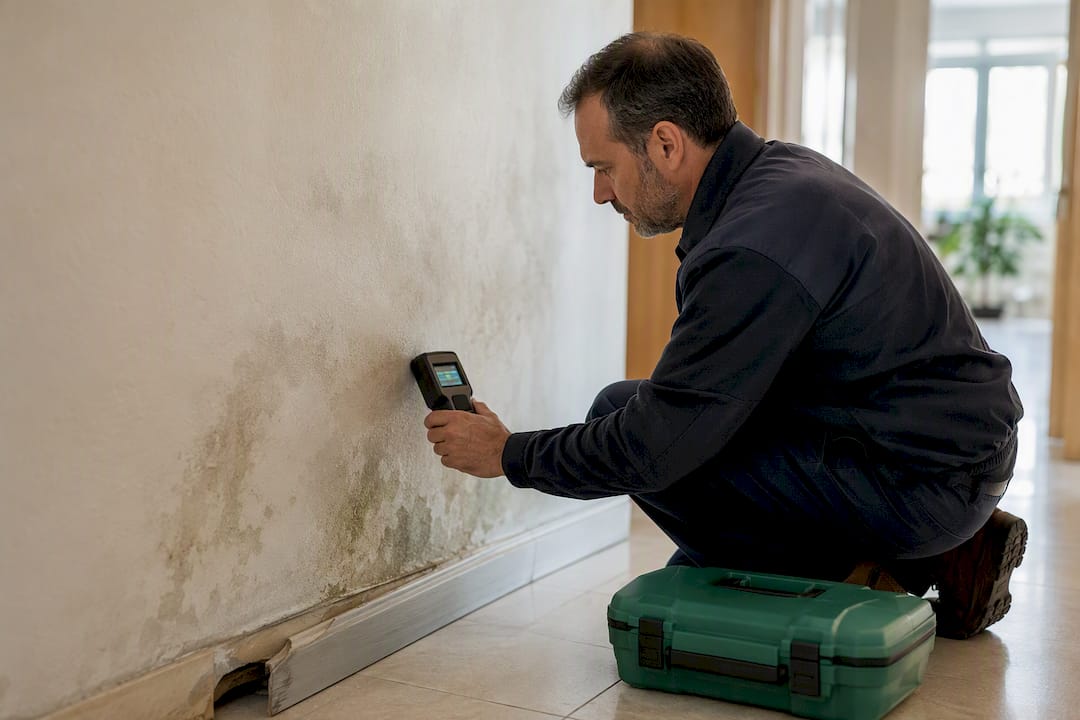
Selskapene sender en perito, en takstmann, når skadebeløpet eller kompleksiteten passerer en viss terskel, som varierer med selskap og polise. Peritos jobb er å undersøke skaden, bekrefte at årsaken samsvarer med det som er dekket, og sette et tall på reparasjons- eller gjenanskaffelseskostnaden. Ved et sprukket rør kan det bety å måle fuktnivået i veggen; ved tyveri å bekrefte at det som ble tatt stemmer med anmeldelsen og eventuelle kvitteringer du kan legge fram.
Mindre saker hopper ofte over befaringen helt. Mange selskaper gjør nå opp beskjedne skader, en ødelagt hvitevare eller mindre vannflekker, basert på bilder og fakturaer sendt inn via appen, noe som går betydelig raskere for enkle saker.
- Kontantoppgjør er normalen i Spania: selskapene betaler typisk det takserte beløpet rett inn på kontoen din i stedet for å ordne håndverker selv.
- Er du uenig i peritos tall, hent et uavhengig pristilbud fra en håndverker og send det inn skriftlig med henvisning til skadenummeret ditt.
- Daterte kvitteringer på de opprinnelige gjenstandene eller på nylige sammenlignbare reparasjoner styrker innsigelsen betraktelig.
- Vil selskapet ikke flytte seg, går eskaleringen først gjennom deres interne klageordning, deretter til tilsynsmyndigheten hvis det stopper opp.
Tips: Spør perito direkte om oppgjøret gjenspeiler gjenanskaffelsesverdi eller avskrevet verdi. De to tallene kan avvike betydelig på eldre hvitevarer eller møbler, og det er lettere å ta det opp på stedet enn etter at pengene er på konto.
Reparasjon, egenandel og matchende overflater etter en skade
Spanske selskaper gjør opp saker på én av to måter: de ordner enten håndverker som utfører reparasjonen direkte, eller de betaler deg et kontantbeløp og lar deg organisere arbeidet selv. Hva som gjelder avhenger som regel av dekningsnivået og skadetypen. Bygningsreparasjoner på poliser med høy dekning håndteres oftere av selskapet; erstatning av innbo er nesten alltid en kontantutbetaling.
Franquicia (egenandelen) ligger under ethvert oppgjør, og det er verdt å sjekke din før du melder noe smått. En egenandel på 150 € på en reparasjon til 200 € forsvarer knapt papirarbeidet, langt mindre effekten på fornyelsespremien din.
- Dekning for daños estéticos (estetiske skader) betyr noe når en reparasjon etterlater et synlig avvik, for eksempel én utskiftet gulvflis som ikke matcher resten av rommet. Ikke alle poliser har det med, og der de har det, setter grensene ofte et tak på hvor mye av området rundt som byttes for å matche.
- Få pristilbud skriftlig og datert før noen håndverker starter, særlig hvis selskapet refunderer i stedet for å styre jobben selv.
- Bli enig om arbeidets omfang skriftlig, inkludert overflate og materialer, for å unngå en senere tvist om hvorvidt reparasjonen «matcher».
- Sjekk forsikringsbeviset ditt for den nøyaktige ordlyden om daños estéticos; forbrukerdokumentasjonen fra Fundación MAPFRE forklarer hvordan disse klausulene vanligvis fungerer på tvers av spanske selskaper.
Spesialtilfeller: tyveri, Consorcio-saker og ukjent skadevolder
Ikke alle saker følger standardveien. En håndfull situasjoner krever en litt annen framgangsmåte, og det sparer tid å vite hvilken du er i.
- Tyveri: du trenger nesten alltid en denuncia levert på nærmeste politistasjon eller på nett via portalen til Policía Nacional før selskapet behandler noe som helst. Ta vare på referansen på anmeldelsen i saksmappen din.
- Consorcio de Compensación de Seguros: dette statsstøttede organet trer inn ved ekstraordinære hendelser, som flom eller storm i et område som offisielt er erklært katastrofeområde. Mange selskaper håndterer Consorcio-papirene på dine vegne, så det er ikke sikkert du må melde separat.
- Skade forårsaket av tredjepart: er det en nabos lekkasje som skader hos deg, kan du melde skaden på din egen polise og la selskapet ditt kreve kostnaden tilbake fra deres (regress), noe som vanligvis går raskere enn å forfølge naboen direkte.
- Ukjent eller uforsikret skadevolder: din egen bygnings- eller innbodekning betaler normalt ut først som en midlertidig løsning, og selskapet ditt driver inn kravet etterpå hvis en ansvarlig part senere blir identifisert.
Tidsløp og oppfølging: når du skal eskalere en sak som står stille
Når du har meldt skaden, kan du vente en bekreftelse i løpet av noen dager, etterfulgt av et perito-besøk hvis saken tilsier det. Ukompliserte saker gjøres ofte opp i løpet av noen uker, men full utbetaling kan lovlig ta opptil tre måneder der dokumentasjonen er mangelfull eller omstridt.
- Manglende papirer er den klart største årsaken til forsinkelse, så svar på henvendelser fra selskapet samme dag der du kan.
- Står saken stille lenger enn rimelig er, lever først en formell intern klage til selskapets kundeserviceavdeling.
- Løser ikke det saken, er Spanias direktorat for forsikring og pensjonsfond instansen som behandler forbrukerklager mot forsikringsselskaper, og et reelt neste steg.
Praktiske tips: dokumenter, språkhjelp og trygge betalingsopplysninger
Ha NIE eller pass, forsikringsbeviset og IBAN klart før du ringer skadetelefonen. Å ha en kopi av polisen på både norsk og spansk sparer deg for forvirring når en kundebehandler leser opp en klausul du ikke kjenner igjen i oversettelse.
- Lagre skadenummeret i det øyeblikket du får det, sammen med dato og navnet på den du snakket med.
- Send aldri ufullstendige bankopplysninger til oppgjør. Et IBAN som ikke stemmer er en av de vanligste grunnene til at en utbetaling forsinkes etter godkjenning.
- Ikke kast skadde gjenstander før perito har hatt sjansen til å undersøke dem, selv om de virker åpenbart uopprettelige.
- Send sensitive dokumenter som pass eller kontoutskrifter via selskapets sikre kundeportal i stedet for e-post der det finnes.
En tospråklig forsikringsmegler gjør nytte for seg nettopp i de øyeblikkene der språket blir hindringen: å tolke en peritos tekniske rapport, å sjekke at et skademeldingsskjema er riktig utfylt før innsending, eller å purre på en skadeavdeling som har blitt stille. Lurer du på om dagens dekning i det hele tatt har riktige ansvarssummer for din situasjon, er det verdt å lese om vanlige feil utlendinger gjør med husforsikring i Spania før neste fornyelse, ikke etter neste skade.
Tips: Ha både en digital mappe (bilder, PDF-er, e-postbekreftelser) og en liten fysisk mappe med politianmeldelsen eller signerte papirer. Peritos og kundebehandlere ber av og til om den fysiske originalen, særlig når det gjelder politianmeldelser.
Slik ser en ukomplisert vannskadesak faktisk ut
En leser beskrev en gang et ganske alminnelig scenario: en vaskemaskinslange sprakk om natta i en leid leilighet nær Alicante, og vannet nådde leiligheten under før noen merket det. Det som gjorde at den saken ble løst rent var ikke flaks. Det var at den ble meldt i løpet av timer, at skaden ble fotografert før opprydding, og at noen kunne lese peritos rapport på spansk og flagge et avvik i anslått tørketid.
Lærdommen holder for nesten enhver sak du kommer til å melde her: fart og dokumentasjon slår alt annet, inkludert hvor bra polisevilkårene dine høres ut på papiret. Opptre som om den første timen betyr noe, for det gjør den.
— Jake
Slik støtter Insurance Spain deg gjennom en skadesak
Insurance Spain finnes nettopp for det øyeblikket en skadesak blir komplisert av språk, ikke bare av papirarbeid. Der et typisk spansk kundesenter forventer flytende spansk og kjennskap til begreper som franquicia eller daños estéticos, kan et norsktalende team sammenligne dekning på tvers av flere ledende selskaper og hjelpe deg å forstå hva polisen din faktisk sier, før en tvist i det hele tatt oppstår.
Det betyr mest i de situasjonene denne guiden har vært gjennom: en omstridt perito-takst, et skademeldingsskjema som krever presis ordlyd, eller et ansvarsspørsmål i sameiet som berører responsabilidad civil. Enkelte meglerforetak tar ikke betalt av kundene for slik veiledning, siden de betales av forsikringsselskapet når en polise er i havn, så en ny vurdering av dekningen din trenger ikke koste deg noe på forhånd. Lot den nåværende polisen deg stå eksponert under en nylig skade, eller er du rett og slett ikke trygg på at den dekker det du tror, sammenlign husforsikringer i Spania og få et tilbud gjennomgått på et språk du forstår.
Kilder
For skademeldingsskjemaer, erklæringer om katastrofeområder og dokumentasjonskrav er prosessen hos Consorcio de Compensación de Seguros referansepunktet ved ekstraordinære hendelser. For regelverk og formelle klager mot et forsikringsselskap er direktoratet for forsikring og pensjonsfond den offisielle kanalen. Forbrukere på tvers av EU kan også sjekke forsikringsveiledningen på Ditt Europa for rettigheter som gjelder uansett hvilket EU-land polisen er utstedt i.
- Home Insurance in Spain: What Renters and Owners Should Know - Spain Handbook
- Home insurance in Spain: property, contents, and liability - Expatica
- Home insurance claims process in Spain - ThinkSpain
- Directorate General for Insurance and Pension Funds (DGSFP)
Ofte stilte spørsmål
Hva er den vanligste boligskaden i Spania?
Vannskade fra sprukne rør, lekkende hvitevarer eller uvær er den klart vanligste typen boligskade i Spania, og ansvaret avhenger ofte av om kilden er et privat rør, et fellesrør eller naboens.
Hvordan melder jeg skade på husforsikringen i Spania?
Kontakt selskapets skadetelefon eller app umiddelbart, ta daterte bilder, sikre boligen mot videre skade, og meld fra til selskapet innen det vanlige sjudagersvinduet de fleste poliser forventer.
Hva koster husforsikring i Spania i gjennomsnitt?
Premiene varierer mye med boligens størrelse, beliggenhet, verdien på innboet og dekningsnivået, så det finnes ikke ett «gjennomsnitt» som gjelder rettferdig på tvers av regionene; å sammenligne tilbud fra flere selskaper gir en realistisk pris for akkurat din bolig.
Hvilke husforsikringsselskaper er best i Spania?
Det finnes ikke ett beste selskap for enhver situasjon. Riktig valg avhenger av boligtypen din, om du trenger sterk responsabilidad civil-dekning, og hvor raskt du trenger skader håndtert, og derfor gir det som regel et bedre treff å sammenligne flere selskaper side om side enn å velge ett navn på magefølelsen.
Hvor lang tid tar det før en boligskade blir utbetalt i Spania?
Ukompliserte saker gjøres ofte opp i løpet av noen uker, men full utbetaling kan lovlig ta opptil tre måneder der dokumentasjonen er mangelfull eller skaden er omstridt.
Anbefalt lesning
0 Comments
Bli den første til å kommentere.